

Language is not merely a collection of symbols and sounds—it’s the core tool humans use to express thoughts and emotions. The more fluently someone speaks, the more effectively they communicate.
The secret lies in one’s vocabulary. While all languages have thousands of words, Arabic stands out with its rich structure and derivational system. Studies show Arabic has over 12 million words. But do we use them all?
In reality, the average person knows between 15,000 and 20,000 words. Some studies, such as those by The Economist, suggest that adults may know between 20,000 and 35,000. However, we don’t use them all in daily life. Instead, we rely on a core set of common words and expressions—greetings, questions, shopping terms, work-related phrases, etc.
Let’s begin with pronouns:
أنا (I), أنتَ (you masc.), أنتِ (you fem.), هو (he), هي (she), هم (they).
You’ll hear these everywhere—they’re fundamental in any language.
Demonstratives:
هذا (this masc.), هذه (this fem.)
Magic question:
ما هذا؟ (What is this?) – It’s the go-to question to ask about anything new.
Motion and Direction Verbs:
اذهب (go), تعال (come), امشِ (walk), انعطف (turn), يسار (left), يمين (right), أمام (front), خلف (back), قريب (near), بعيد (far)
Interrogatives:
- من؟ (Who?) – for people (who wrote the letter?)
- ما؟ / ماذا؟ (What?) – for things (What color is the bag?)
- متى؟ (When?) – for time (When will you visit the museum?)
- أين؟ (Where?) – for place (Where is the museum?)
- كيف؟ (How?) – for condition (How are you?)
- كم؟ (How much/many?) – for quantity (How much does the bag coast?)
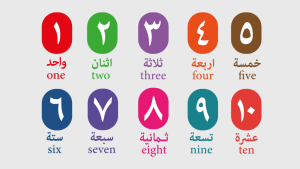
Numbers:
1 to 10: واحد، اثنان، ثلاثة، أربعة، خمسة، ستة، سبعة، ثمانية، تسعة، عشرة
Also: مئة (100), ألف (1,000)
Days of the Week:
الأحد (Sunday), الاثنين (Monday), الثلاثاء (Tuesday), الأربعاء (Wednesday), الخميس (Thursday), الجمعة (Friday), السبت (Saturday)
Colors:
أبيض (white), أسود (black), أحمر (red), أزرق (blue), أخضر (green), أصفر (yellow)
Common Words:
بيت (house), فندق (hotel), مسجد (mosque), ساحة (square), حديقة (park), متحف (museum), مستشفى (hospital), شرطة (police), مطعم (restaurant), شارع (street), حي (neighborhood), باب (door), نافذة (window), طفل (boy), طفلة (girl), رجل (man), امرأة (woman), مسن (elder)
Common Greetings:
السلام عليكم (peace be upon you), مرحباً (hello), أهلاً بك (welcome), صباح الخير (good morning), مساء الخير (good evening), إلى اللقاء (see you), وداعاً (goodbye), سررت بمعرفتك (nice to meet you), كيف حالك؟ (how are you?), أنا بخير (I’m fine)
Sample Dialogue:
- مرحباً (Hello)
- أهلاً بك (Welcome)
- أنا اسمي زيد، ما اسمك؟ (My name is Zaid. What’s your name?)
- اسمي خالد (My name is Khalid)
- سررت بمعرفتك، هل تتحدث ال… (Nice to meet you, do you speak…)
- لا (No)
- إلى اللقاء (Goodbye)
Shopping Vocabulary in Arabic
When shopping in an Arab country, use these basics:
كم ثمن هذا؟ (How much is this?)
أريد هذا (I want this)
من فضلك (Please)
هل لديك…؟ (Do you have…?)
علبة (box), قطعة (piece), كيلوغرام (kilogram), لتر (liter)
دفع (pay), نقود (cash), بطاقة (card), إيصال (receipt)
Shopping Dialogue Example:
- مرحباً، كم ثمن هذا؟ (Hi, how much is this?)
- سعرها عشرون (It’s 20)
- أريده باللون الأبيض (I want it in white)
- تفضل (Here you go)
- شكراً (Thank you)
Restaurant Vocabulary in Arabic:

قائمة الطعام (menu), مشروبات (drinks), فاتورة (bill), ماء (water), طازج (fresh), ساخن (hot), بارد (cold), لذيذ (delicious), أريد أن أطلب (I want to order)
Restaurant Dialogue:
- السلام عليكم (Peace be upon you)
- وعليكم السلام، تفضّل (And upon you, please come in)
- أودّ قائمة الطعام من فضلك (I’d like the menu please)
- تفضل، ما طلبك؟ (Here you go. What’s your order?)
- أريد… (I want…)
- ستصلك بعد دقائق (It’ll arrive in a few minutes)
How to Practice and Memorize These Words Effectively:
- Write and Read Aloud:Note down any word you hear often and read it out loud
- Repeat and Review:Dedicate a daily time slot to review vocabulary. Repetition helps you retain more.
- Use It in Real Life:Speak with native Arabic speakers, use these words in real scenarios.
- Visual Learning:Watch short videos and repeat what you hear, or follow an Arabic podcast, or use a language app like Teach Me Arabic, which simplifies your journey through expert-led lessons, structured programs, and interactive content.
Finally:
Arabic’s beauty lies in its vocabulary richness and expressive range. What you’ve learned here is just the starting point. Every new word is a tile in your language mosaic—grow your picture so the world sees it clearly.
Commit to reading, writing, and speaking regularly, and you’ll find Arabic becoming second nature.
And if you’re serious about growing your skills, Teach Me Arabic is your trusted companion, offering video content, audio tools, and interactive sessions tailored for effective learning.
Remember: Learning is an on going journey. Every new word you learn opens up broader horizons for you to understand the culture and express ideas and feelings with precision